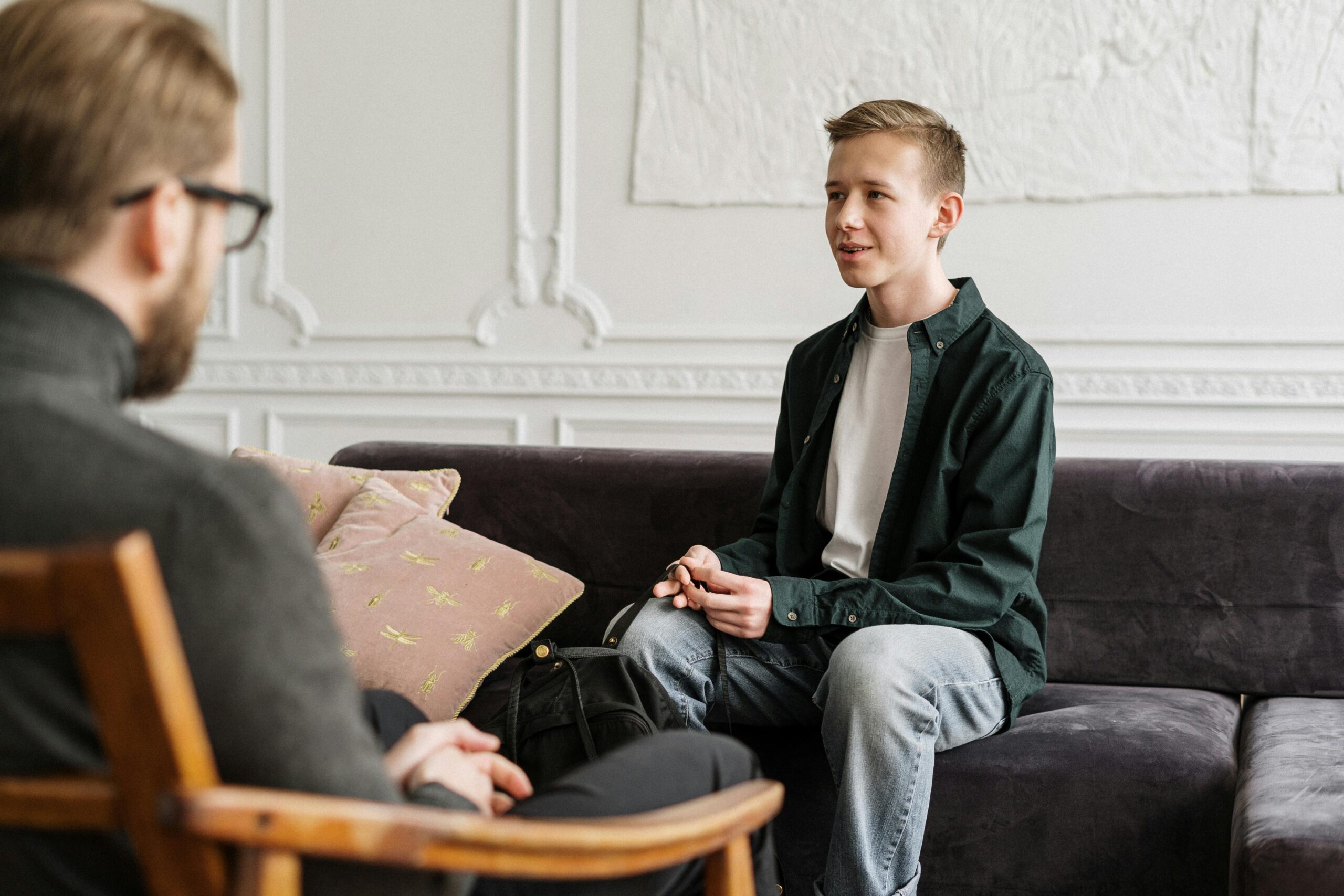

Supporting Nonverbal Individuals Through Occupational Therapy

April is Autism Acceptance Month, a time to build understanding, foster inclusion, and support individuals on the autism spectrum with dignity and respect.

For many families and carers, autism is not just a topic of awareness. It is part of everyday life. It comes with unique strengths, challenges, and the need for the right kind of support.

This guide is designed to provide clear, practical insight to help you better understand autism and navigate support with confidence.

What is Autism

Autism, or Autism Spectrum Disorder, is a neurodevelopmental condition that affects how a person communicates, interacts, and experiences the world around them.

It is important to understand that autism is not something that needs to be fixed. It reflects a different way of thinking, processing information, and engaging with the environment.

Every individual on the spectrum is different. Some may communicate verbally, while others may be non verbal. Some may require minimal support, while others may have complex, high support needs.

Understanding this diversity is the first step toward providing meaningful and respectful support.


Common Challenges Families and Carers Face

While every journey is unique, many families and carers experience similar challenges when supporting individuals with autism.

These can include difficulty accessing timely and high quality services, navigating complex systems such as the NDIS, and finding professionals who truly understand the needs of individuals with high support requirements.

For families supporting non verbal individuals or those with complex presentations, communication can be a significant barrier. This often leads to frustration, both for the individual and those supporting them.

Many also report feeling overwhelmed, unheard, or unsupported within service systems, especially when assessments and reports do not accurately reflect the individual’s needs.

These challenges highlight the importance of working with professionals who provide clear guidance, consistent communication, and genuinely person centred care.

If any part of this feels familiar, you’re not alone.
Many families go through this stage of uncertainty.

You don’t have to figure it out on your own.

What Meaningful Support Should Look Like

Effective support goes beyond surface level interventions. It requires a deep understanding of the individual, their environment, and their goals.

Person centred care is at the core of meaningful support. This means recognising the individual’s strengths, preferences, and unique way of engaging with the world, rather than applying a one size fits all approach.

High quality assessments, such as Functional Capacity Assessments, play a critical role in understanding support needs and ensuring appropriate funding and resources are in place.

Assistive technology and alternative communication supports can also be life changing, particularly for non verbal individuals. These tools help individuals express themselves, build independence, and participate more fully in daily life.

Equally important is collaboration. The best outcomes happen when families, carers, and professionals work together with shared understanding and clear communication.

Getting the right support can make a significant difference, especially when guidance is clear, practical, and tailored to your child’s needs.

Working with the right professionals can help you better understand what support looks like and how to move forward with confidence.

Practical Ways to Support Individuals with Autism

There are simple, practical steps that can make a meaningful difference in everyday life.

Establishing consistent routines can provide a sense of stability and reduce anxiety.

Using visual supports, such as schedules or picture based communication, can improve understanding and independence.

Encouraging communication in any form is essential. This may include gestures, assistive devices, or other alternative methods.

Creating supportive environments that reduce sensory overwhelm can help individuals feel more comfortable and regulated.

Most importantly, seeking the right professional support early can make a significant difference in long term outcomes.

A Message of Empowerment

Autism is not defined by limitations. With the right support, individuals can build confidence, develop skills, and participate meaningfully in their communities.

Families and carers play a vital role in this journey, and you do not have to navigate it alone.

Support that is grounded in dignity, understanding, and evidence based practice can create lasting impact, not just for the individual, but for the entire support network.

How We Can Support You

You don’t have to navigate this alone. 

If you’ve been feeling unsure about what to do next, this is a safe place to start.

At Crown Again Care Connect, we support families with clear assessments, practical recommendations, and person-centred guidance tailored to each individual.

Whether you’re seeking answers, clarity, or support, we’re here to help you take the next step with confidence

  • Book a Consultation
  • Speak with Us
  • Get Guidance

Not sure where to start?

You can reach out for a simple conversation first. 

We work with individuals with complex and high support needs, including non-verbal participants and families navigating the NDIS. 

Our approach is calm, supportive, and tailored to your situation.

Communication is fundamental to participation, independence, and social connection. For individuals who are nonverbal or have limited speech—due to autism, developmental delay, intellectual disability, neurological conditions, or trauma—expressing needs and engaging with others can be challenging. Occupational therapists play a vital role in supporting alternative communication methods and enhancing overall participation.

The languages only differ in their grammar, their pronunciation and their most common words. Everyone realizes why a new common language would be desirable: one could refuse to pay expensive translators. The European languages are members of the same family.

Understanding Communication Challenges

Nonverbal individuals may communicate through gestures, facial expressions, sounds, behaviour, or assistive technology. They may find it difficult to express their needs, understand instructions, or interpret social cues. This can lead to frustration, emotional dysregulation, or behaviours of concern.

Occupational therapists recognise that communication goes far beyond spoken words. It includes visual, physical, sensory, behavioural, and environmental expressions—all of which can be strengthened with the right support.

Occupational therapists assess, trial, and recommend AAC systems such as:

  • Picture Exchange Communication System (PECS)
  • Speech-generating devices
  • Symbol or keyword boards
  • Tablet-based communication apps
  • Low-tech communication books

OTs also train families, support workers, and teachers in using AAC consistently so the individual can express wants, needs, preferences, and emotions more effectively.

Visual Supports and Social Stories

Visual tools help create predictability and reduce anxiety. These may include:

  • Visual schedules
  • Choice boards
  • First–then boards
  • Social stories
  • Visual timers
  • Step-by-step task guides

Visual supports assist with understanding routines, making choices, transitioning between activities, and expressing needs without relying on speech.

Sensory Integration and Self-Regulation. Many nonverbal individuals experience sensory processing differences that impact communication. OTs address:

  • Hypersensitivity to sound, touch, or movement
  • Sensory-seeking behaviours
  • Difficulties staying calm, alert, or focused

Occupational therapists frequently collaborate with:

  • Speech pathologists
  • Psychologists
  • Behaviour support practitioners
  • Educators
  • Support workers
  • Families and carers

This ensures a comprehensive, consistent approach across home, school, and community settings.

Promotes Functional Independence

The new common language will be more simple and regular than the existing European languages. It will be as simple as Occidental; in fact, it will be Occidental. To an English person, it will seem like simplified English, as a skeptical Cambridge friend of mine told me what Occidental is. The European languages are members of the same family. Their separate existence is a myth. To achieve this, it would be necessary to have uniform grammar, pronunciation and more common words. If several languages coalesce, the grammar of the resulting language is more simple and regular than that of the individual languages.

Conclusion

Communication is a human right, and being nonverbal does not mean being silent. Occupational therapy empowers nonverbal individuals by providing tools, strategies, and environments that support meaningful communication. Through AAC, visual supports, sensory regulation, play-based learning, and collaborative practice, OTs help people connect with others, express themselves, and participate fully in everyday life.


Book a Consultation

It’s easy and free!

Leave a Reply

Your email address will not be published. Required fields are marked *

Related Posts

Book a Consultation

It’s easy and free!

Leave a Reply

Your email address will not be published. Required fields are marked *

Related Posts

Supporting Nonverbal Individuals Through Occupational Therapy

Communication is fundamental to participation, independence, and social connection. For individuals who are nonverbal or have limited speech—due to autism, developmental delay.

Book a Consultation

It’s easy and free!

Leave a Reply

Your email address will not be published. Required fields are marked *

Related Posts