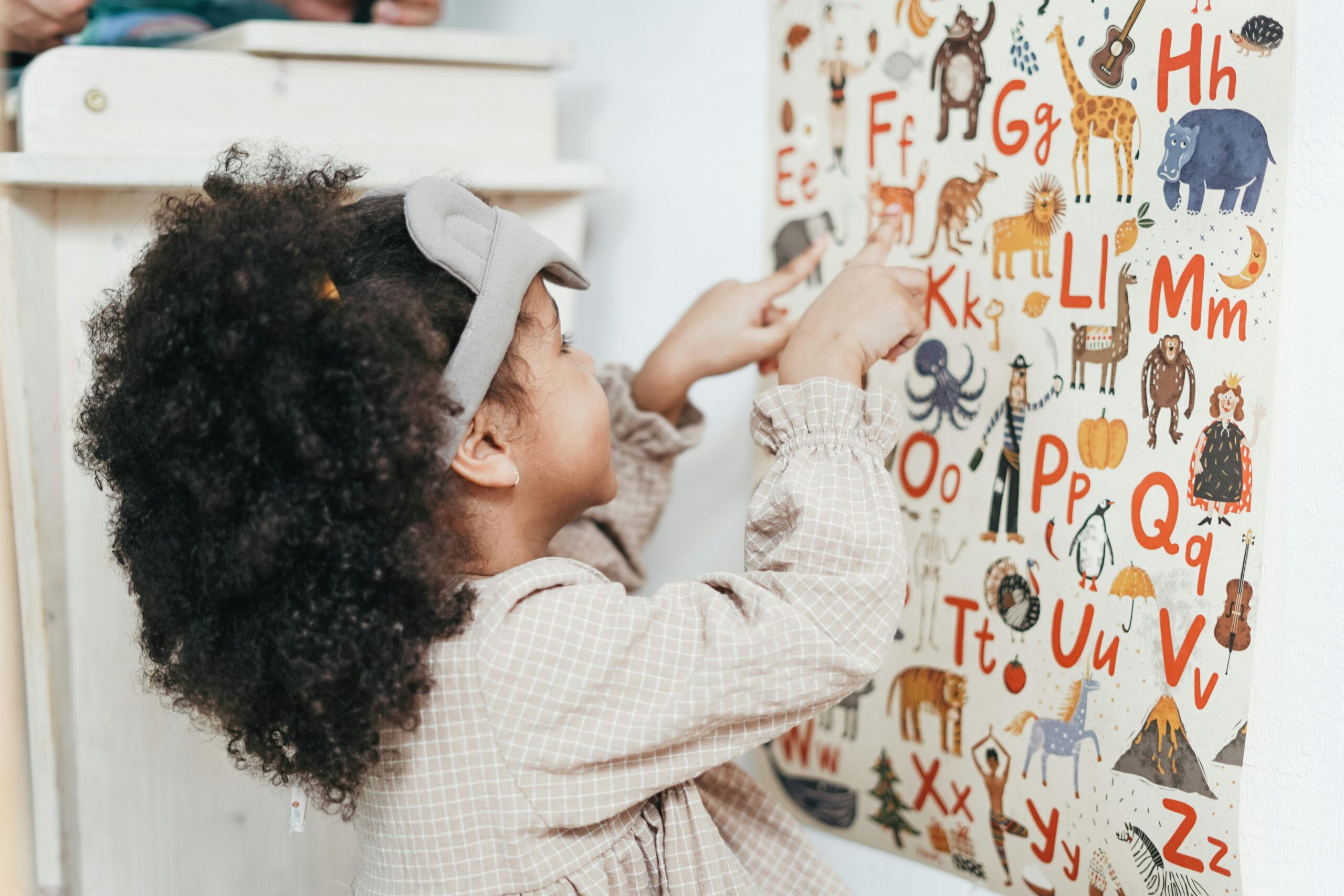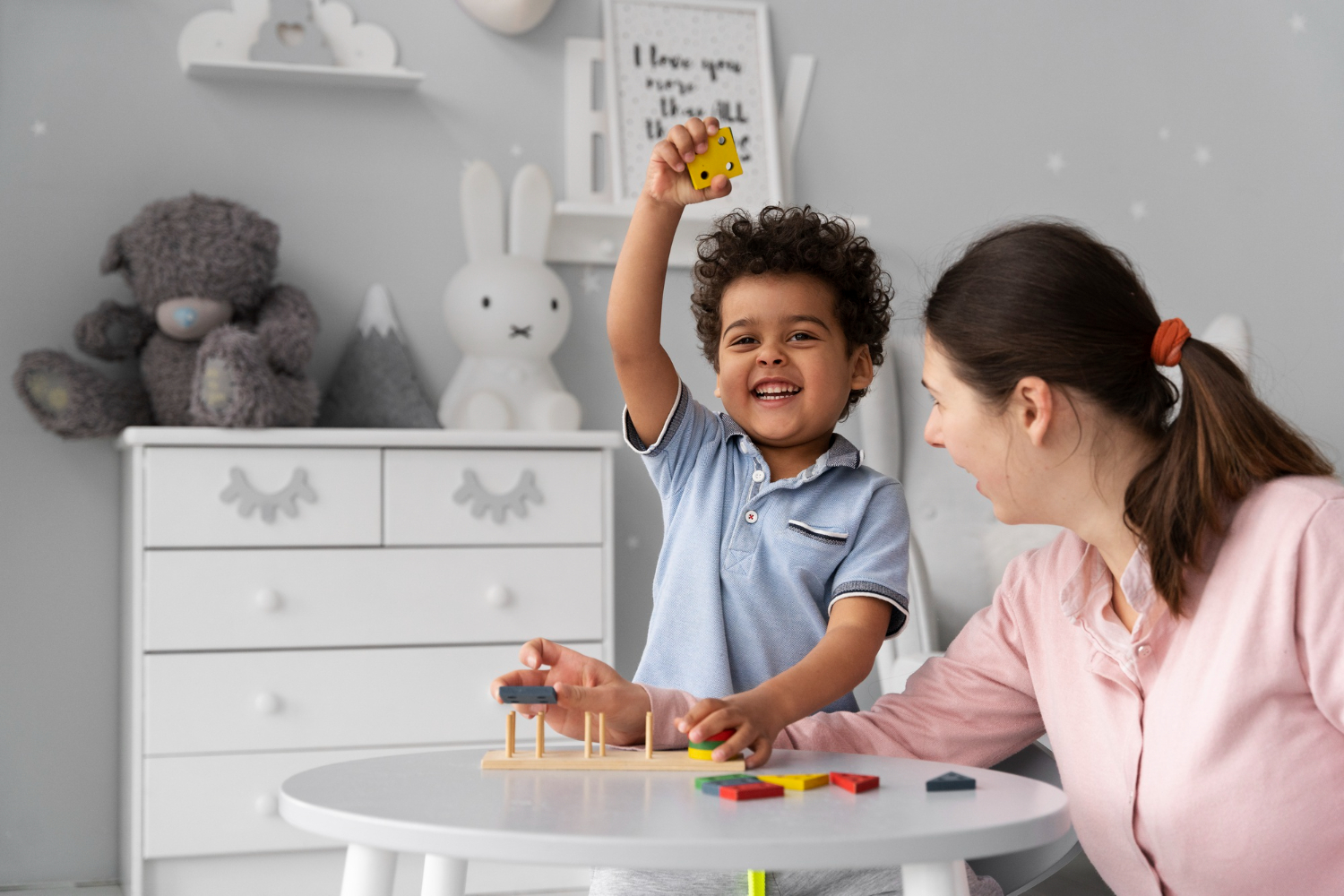


Communication is fundamental to participation, independence, and social connection. For individuals who are nonverbal or have limited speech—due to autism, developmental delay.

Communication is fundamental to participation, independence, and social connection. For individuals who are nonverbal or have limited speech—due to autism, developmental delay, intellectual disability, neurological conditions, or trauma—expressing needs and engaging with others can be challenging. Occupational therapists play a vital role in supporting alternative communication methods and enhancing overall participation.
The languages only differ in their grammar, their pronunciation and their most common words. Everyone realizes why a new common language would be desirable: one could refuse to pay expensive translators. The European languages are members of the same family.
Understanding Communication Challenges
Nonverbal individuals may communicate through gestures, facial expressions, sounds, behaviour, or assistive technology. They may find it difficult to express their needs, understand instructions, or interpret social cues. This can lead to frustration, emotional dysregulation, or behaviours of concern.
Occupational therapists recognise that communication goes far beyond spoken words. It includes visual, physical, sensory, behavioural, and environmental expressions—all of which can be strengthened with the right support.
Occupational therapists assess, trial, and recommend AAC systems such as:
- Picture Exchange Communication System (PECS)
- Speech-generating devices
- Symbol or keyword boards
- Tablet-based communication apps
- Low-tech communication books
OTs also train families, support workers, and teachers in using AAC consistently so the individual can express wants, needs, preferences, and emotions more effectively.
Visual Supports and Social Stories
Visual tools help create predictability and reduce anxiety. These may include:
- Visual schedules
- Choice boards
- First–then boards
- Social stories
- Visual timers
- Step-by-step task guides
Visual supports assist with understanding routines, making choices, transitioning between activities, and expressing needs without relying on speech.
Sensory Integration and Self-Regulation. Many nonverbal individuals experience sensory processing differences that impact communication. OTs address:
- Hypersensitivity to sound, touch, or movement
- Sensory-seeking behaviours
- Difficulties staying calm, alert, or focused
Occupational therapists frequently collaborate with:
- Speech pathologists
- Psychologists
- Behaviour support practitioners
- Educators
- Support workers
- Families and carers
This ensures a comprehensive, consistent approach across home, school, and community settings.
Promotes Functional Independence
The new common language will be more simple and regular than the existing European languages. It will be as simple as Occidental; in fact, it will be Occidental. To an English person, it will seem like simplified English, as a skeptical Cambridge friend of mine told me what Occidental is. The European languages are members of the same family. Their separate existence is a myth.
To achieve this, it would be necessary to have uniform grammar, pronunciation and more common words. If several languages coalesce, the grammar of the resulting language is more simple and regular than that of the individual languages.
Conclusion
Communication is a human right, and being nonverbal does not mean being silent. Occupational therapy empowers nonverbal individuals by providing tools, strategies, and environments that support meaningful communication. Through AAC, visual supports, sensory regulation, play-based learning, and collaborative practice, OTs help people connect with others, express themselves, and participate fully in everyday life.
Book a Consultation
It’s easy and free!