
For individuals with sensory processing differences, autism, ADHD, trauma histories, psychosocial disability, or anxiety, regulating emotions can be particularly challenging.
Understanding Emotional Regulation
Emotional regulation involves the ability to recognise emotions, understand triggers, and respond in healthy and safe ways. This includes identifying feelings such as anger, frustration, sadness, excitement, or overwhelm; knowing which situations or sensory experiences provoke emotional responses; and using coping strategies rather than meltdowns, shutdowns, withdrawal, aggression, or impulsive reactions.
When emotional regulation is difficult, everyday tasks, relationships, community participation, and overall quality of life can be significantly affected. OTs help by building self-awareness and teaching practical tools that support emotional stability.
I am so happy, my dear friend, so absorbed in the exquisite sense of mere tranquil existence, that I neglect my talents. I should be incapable of drawing a single stroke at the present moment; and yet I feel that I never was a greater artist than now.
How Occupational Therapy Supports Emotional Regulation
Occupational therapists use personalised, evidence-based interventions to help individuals understand their emotional experiences and develop effective coping strategies.
Sensory integration and sensory-based techniques are commonly used. Many people become dysregulated due to sensory overload or under-stimulation. OTs assess sensory triggers and provide activities that help regulate the nervous system, such as deep-pressure input, movement breaks, fidget tools, noise-cancelling headphones, or sensory diets tailored to individual needs.
Establishing routines and structure is another key area. Predictable routines reduce anxiety and emotional outbursts. OTs help individuals and families create daily schedules, use visual supports, implement transition rituals, and develop consistent morning and evening routines that promote emotional stability.
Coping and calming strategies play a central role. These may include deep breathing, progressive muscle relaxation, grounding techniques, mindfulness, or using tools such as “Zones of Regulation” or emotion charts to recognise feelings before they escalate.
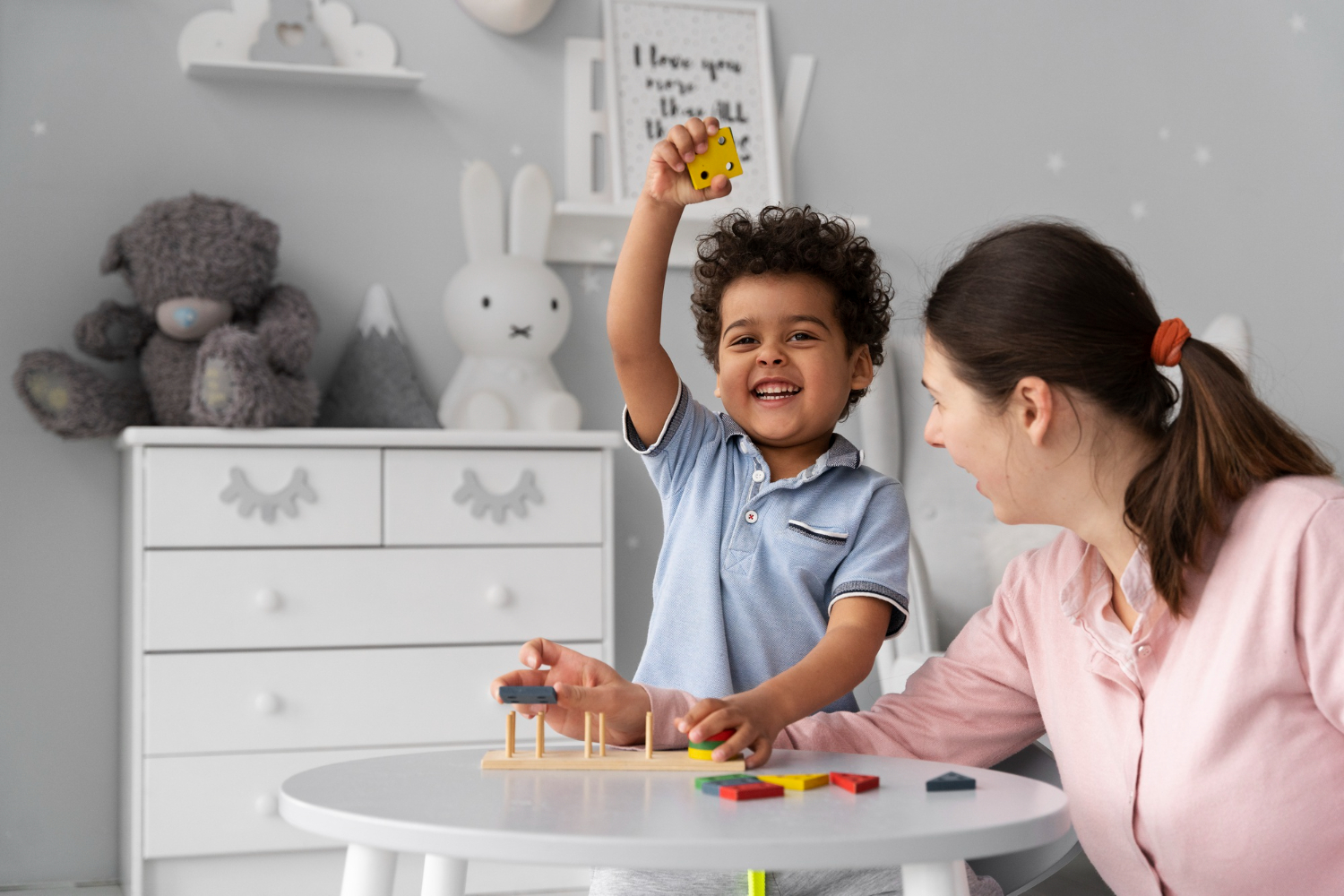
Play, creativity, and expressive activities are also used to support emotional development. For children, therapeutic play provides a safe way to explore feelings and practise regulation skills. Adults may benefit from creative occupations such as journalling, art, music, or movement to process and express emotions.
Environmental modifications can significantly improve regulation. OTs may adjust home, school, or workplace environments by reducing clutter, lowering noise, adjusting lighting, modifying seating, or creating calm-down spaces to reduce sensory or emotional triggers.
A wonderful serenity has taken possession of my entire soul, like these sweet mornings of spring which I enjoy with my whole heart. I am alone, and feel the charm of existence in this spot, which was created for the bliss of souls like mine. A wonderful serenity has taken possession of my entire soul.
I am so happy, my dear friend, so absorbed in the exquisite sense of mere tranquil existence, that I neglect my talents. I should be incapable of drawing a single stroke at the present moment; and yet I feel that I never was a greater artist than now.
Who Benefits From OT for Emotional Regulation?
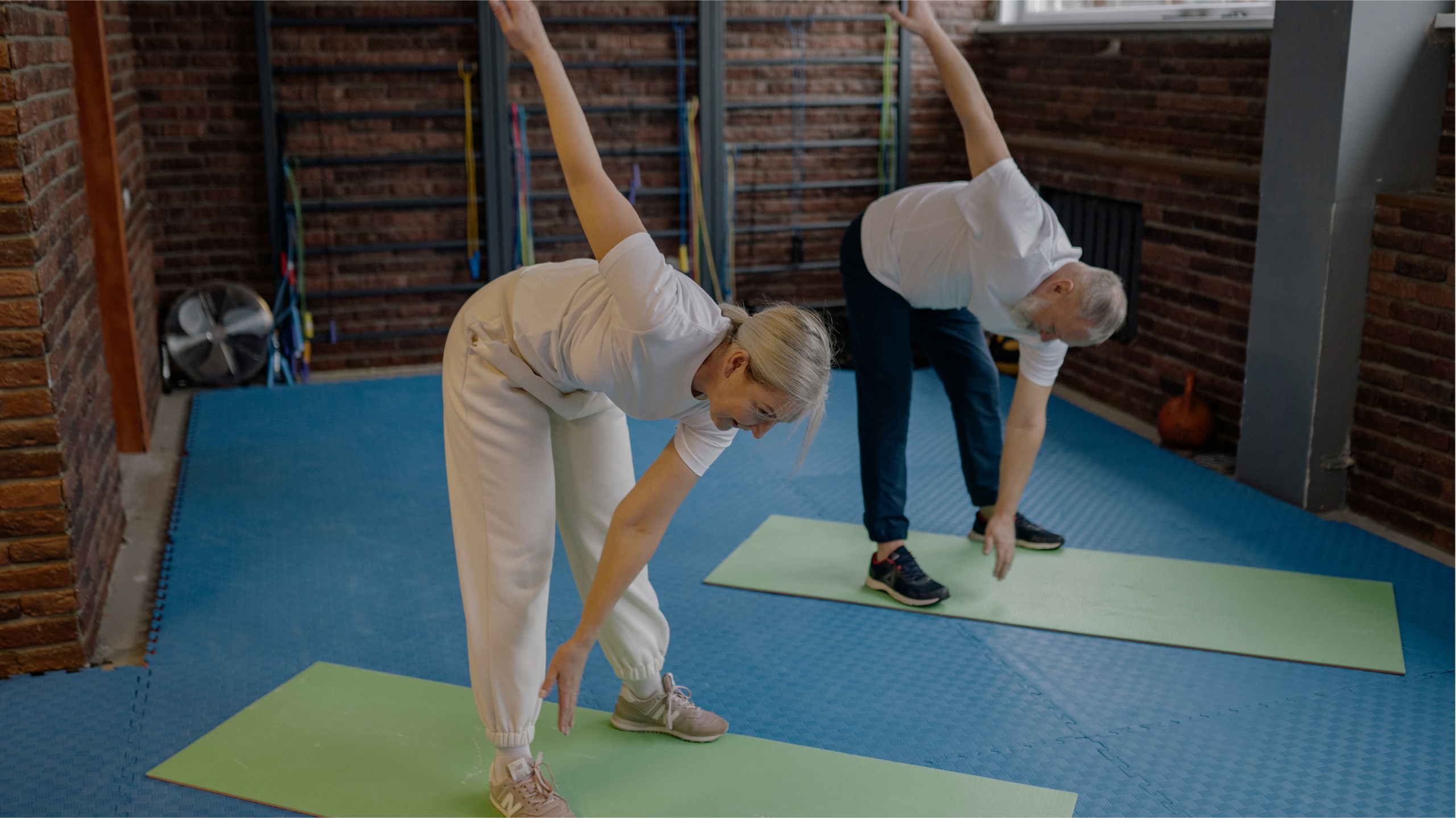
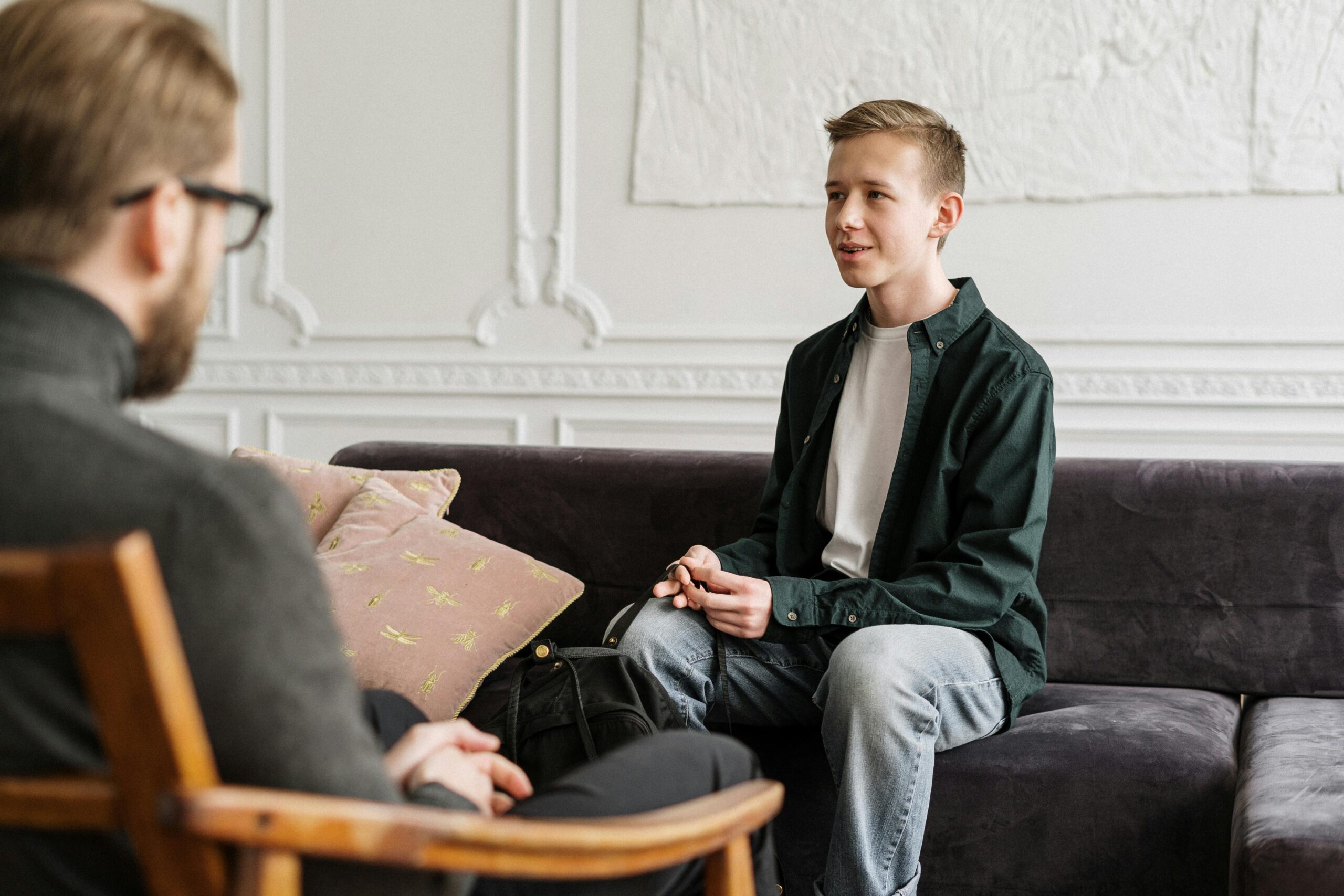
Occupational therapy can support children with autism, ADHD, sensory processing challenges, or behavioural difficulties; teenagers experiencing anxiety or emotional outbursts; adults managing stress, trauma, or psychosocial disability; and older adults experiencing emotional changes related to ageing or dementia.
Conclusion
Emotional regulation is a lifelong skill. Occupational therapists provide practical, individualised strategies that empower people to understand their emotions, reduce triggers, and respond in healthier, safer ways. Through sensory-based interventions, structured routines, coping tools, and environmental modifications, OT supports individuals to develop emotional resilience and participate meaningfully in everyday life.