

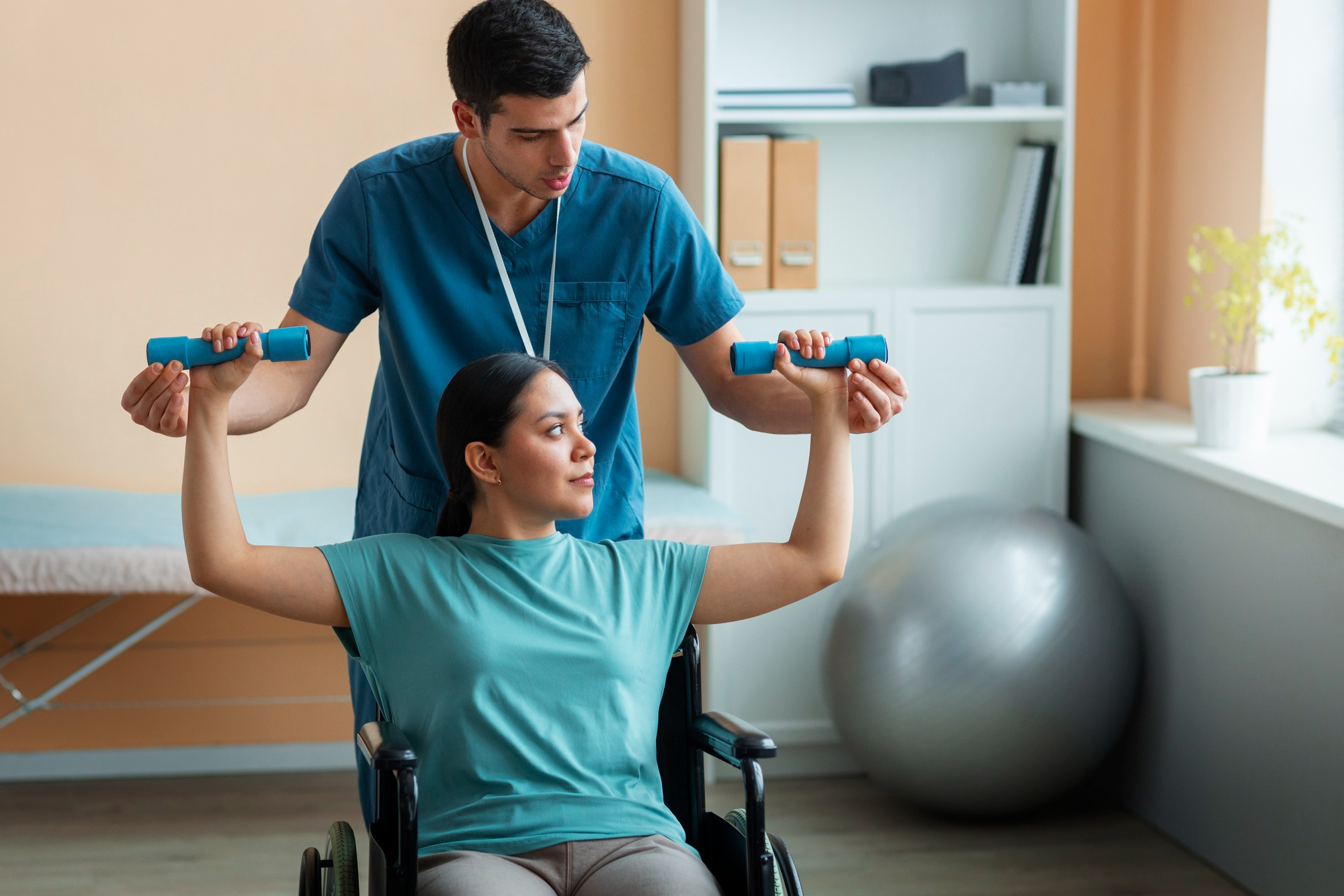
NDIS Occupational Therapy for Daily Independence
NDIS Occupational Therapy at Crown Again Care Connect focuses on developing the real-life skills participants need to live safely, confidently, and independently. Our therapists assess functional abilities across daily living, mobility, home safety, sensory needs, emotional regulation, cognitive skills, communication, and community participation. We then create personalised, goal-driven therapy plans that support meaningful and achievable progress.
We provide home visits, community therapy, and telehealth to ensure support is flexible and accessible. Our therapists also complete assistive technology assessments, home modification recommendations, equipment prescriptions, and evidence-based reports required for NDIS plan reviews. Using a strengths-based, participant-centred approach, we help individuals build skills, reduce risks, improve routines, and increase independence in everyday life.
Frequently Asked Questions
What does an NDIS Occupational Therapist do?
An NDIS OT helps participants improve daily living skills such as personal care, home safety, mobility, emotional regulation, sensory needs, functional routines, and independence. We assess needs, deliver therapy, and recommend supports or equipment that align with NDIS standards.
Can you help with assistive technology and equipment?
Absolutely. We complete AT assessments, equipment trials, prescriptions, and provide detailed reports for standard and complex assistive technology requests. We also support home modifications and environmental adaptations to improve safety, mobility, and daily independence.
Do you provide home and community visits?
Yes. Our OTs deliver therapy in homes, schools, workplaces, community settings, and via telehealth. This supports participants to build functional skills in real-life environments where they need assistance the most.
Can you support participants with psychosocial disabilities?
Yes — our OTs work with participants experiencing mental health challenges, emotional regulation difficulties, trauma histories, and psychosocial disabilities. Therapy focuses on routines, daily living, coping strategies, community participation, and safety.