
Staying Active During the Cooler Months
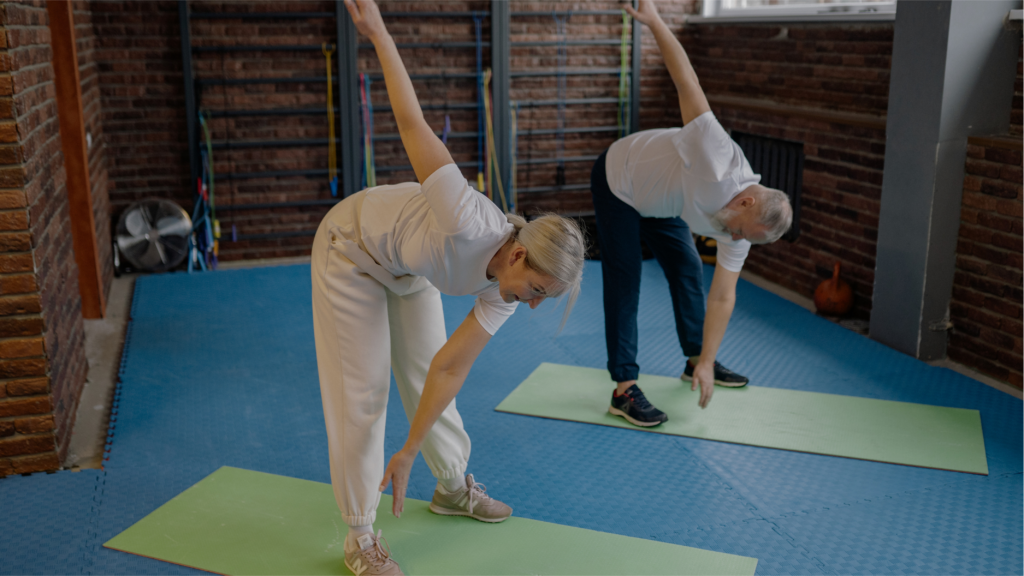
As the weather cools down across Queensland, many of us naturally spend more time indoors. While winter can be a wonderful time to slow down, it can also bring challenges especially for people living with disability, chronic health conditions, or mental health concerns.
Reduced physical activity, shorter days, and colder mornings can affect our motivation, routines, and overall wellbeing. However, staying active doesn’t have to mean intense exercise or long walks. Sometimes, the smallest daily activities can make the biggest difference
At Crown Again Care Connect
we believe that meaningful activity is about participating in the things that matter most to you. Occupational Therapy is all about helping people maintain their independence, confidence, and quality of life—no matter the season
Why Staying Active Matters
Movement is about much more than physical fitness
Remaining active during winter can help
- Maintain strength and mobility
- Reduce stiffness and joint discomfort
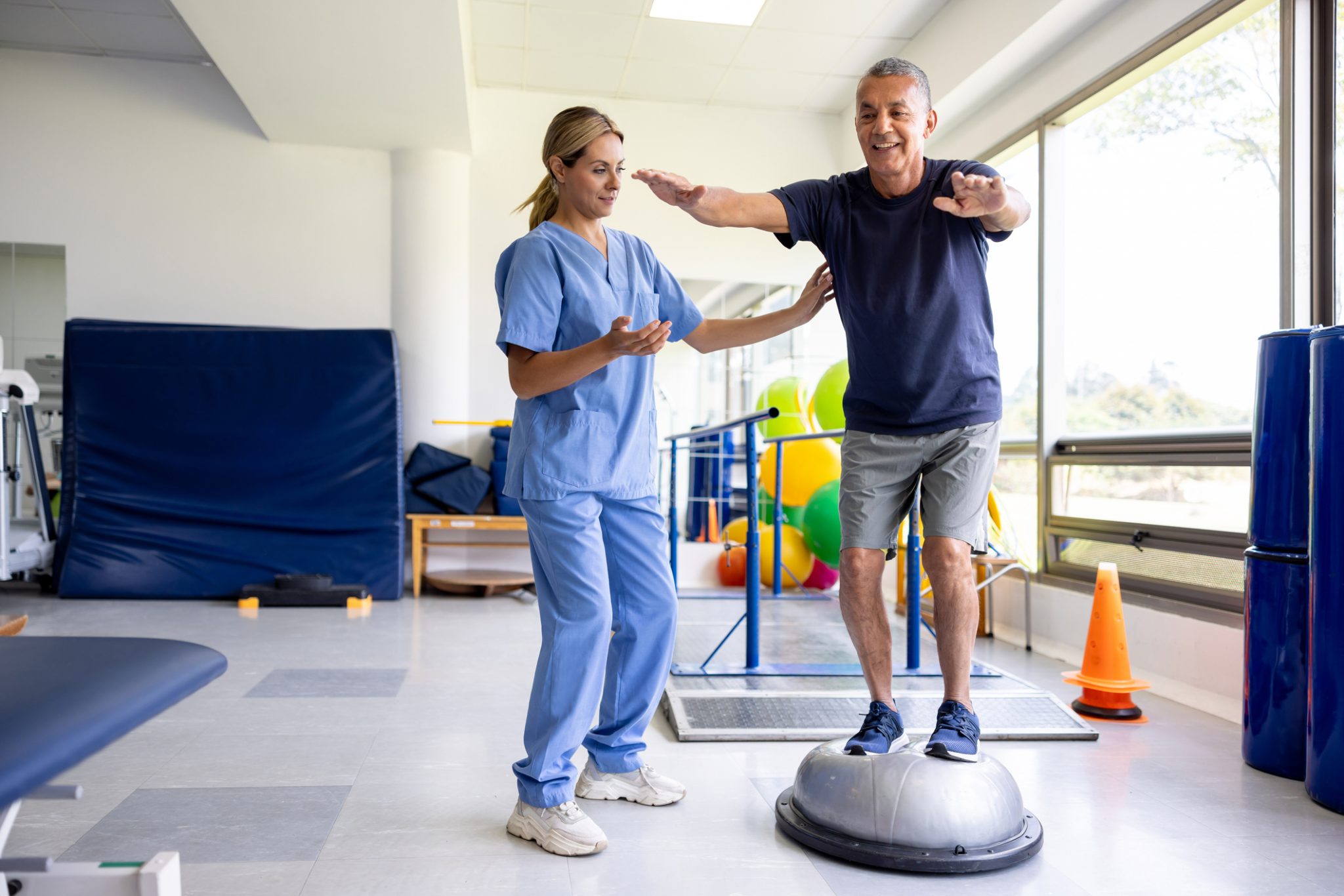
- Improve balance and reduce falls risk
- Support mental health and emotional wellbeing
- Maintain independence in everyday task
- Increase confidence in daily routine
Even gentle movement throughout the day can positively impact both physical and mental wellbeing
1. Keep Moving Throughout the Day
When it’s cold outside, it’s tempting to stay under a warm blanket.
Instead of aiming for one long exercise session, try incorporating movement into your daily routine.
This might include:
- Walking around the house every hour
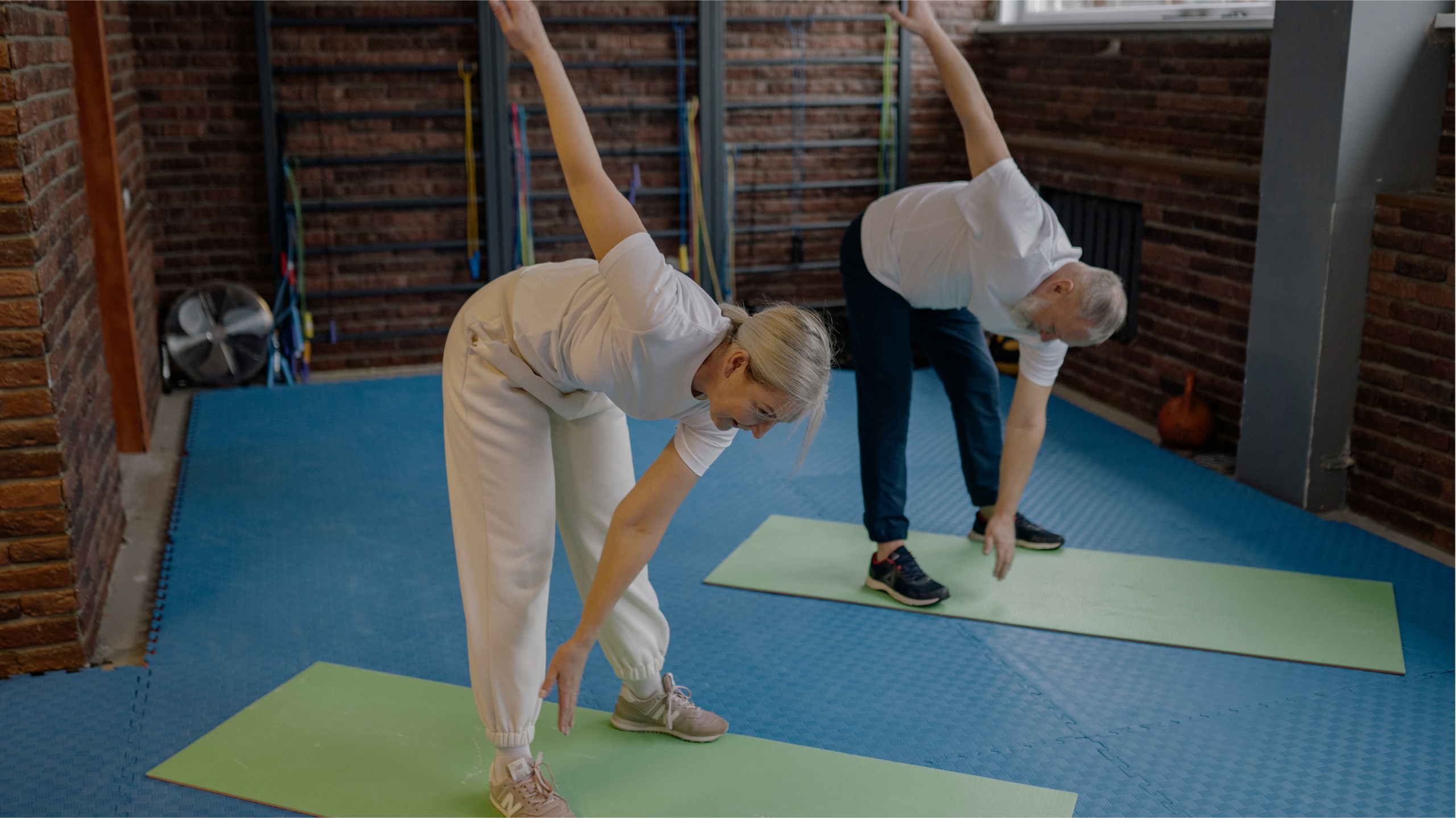
- Gentle stretching while watching television
- Gardening during the warmer part of the day
- Dancing to your favourite music
- Completing light household tasks
Remember, movement doesn’t have to be complicated to be beneficial.
2. Maintain Your Daily Routine
Winter often makes us want to sleep in or skip activities.
While rest is important, maintaining a consistent daily routine can help improve both physical health and mental wellbeing
Try to:
- Wake up at a regular time
- Get dressed, even if you’re staying home
- Plan enjoyable activities each day
- Continue participating in hobbies and community activities where possible
Small routines create structure and help maintain independence.
3. Stay Socially Connected
The cooler months can sometimes leave people feeling isolated.
Connection plays an important role in overall wellbeing.
Consider:
- Calling a friend or family member
- Joining a local community group
- Attending appointments in person where appropriate
- Participating in community activities
- Scheduling regular catch-ups over coffee
Meaningful relationships are an important part of health.
4. Keep Your Home Safe During Winter
Cold weather can increase the risk of slips and falls
Simple changes can make your home safer
Consider:
- Keeping walkways free from clutter
- Wearing supportive, non-slip footwear indoors
- Ensuring rooms are well lit
- Using mobility aids as recommended
- Keeping frequently used items within easy reach
A safe environment supports confidence and independence.
5. Support Your Mental Wellbeing
Winter doesn’t only affect our bodies—it can also affect our mood.
If you’re feeling less motivated or more withdrawn than usual, you’re not alone
Activities that support emotional wellbeing include:
- Spending time in natural sunlight
- Practising mindfulness or deep breathing
- Enjoying a warm drink while listening to music
- Doing something meaningful every day, no matter how small
Looking after your mental health is just as important as looking after your physical health
6. Occupational Therapy Can Help
If everyday activities become more difficult during winter, Occupational Therapy can help you continue doing the things that matter most.
An Occupational Therapist can support you by:
- Developing practical strategies for daily living
- Improving mobility and confidence
- Recommending equipment or home modifications
- Supporting safe community participation
- Building routines that promote independence
- Helping you achieve your personal goals
Every person’s needs are different, which is why support should always be tailored to the individual